The Ice Sack™
Cold. On demand.
Full-body cold.
One contained session.
$300 refundable deposit.
No water. No setup. No mess.
No water. No setup. No mess.
Individual responses vary. See Safety & Use.
Full-body cold.
One contained session.
Individual responses vary. See Safety & Use.

9 minutes. Three phases.
A guided cold protocol designed for state transition.






Fixed timeline. Same transitions. Same exit.
Based on patterns observed in controlled cold exposure studies. Individual responses vary.
Observed in controlled cold exposure.
Research referenced reflects findings from independent cold exposure studies and was not conducted using The Ice Sack.
Observed responses are physiological and may vary by individual.
The Ice Sack and Neuropause are not intended to diagnose, treat, cure, or prevent any disease.
Fixed timing. Fixed contact. No variability.
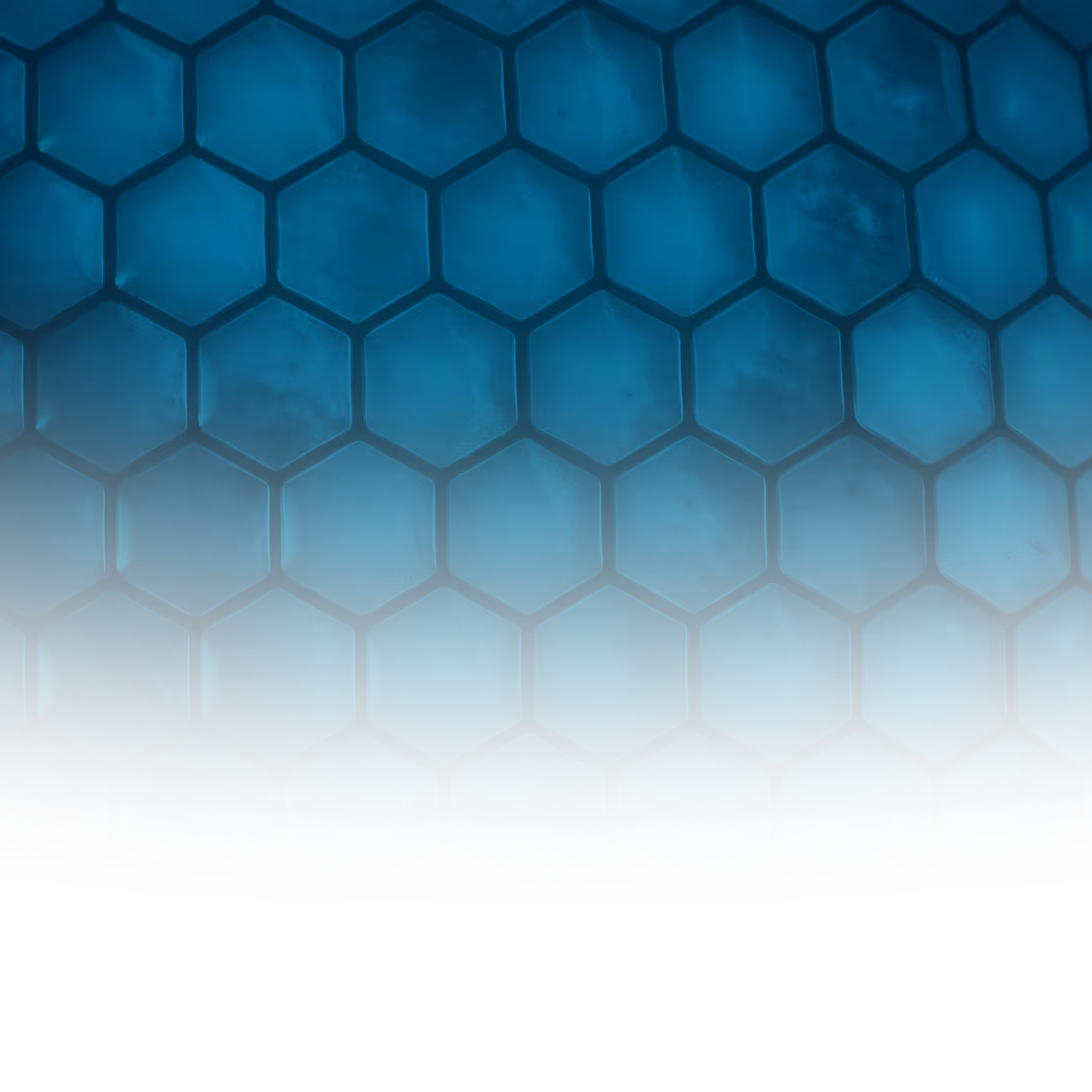
PCM core. Steady dry contact.
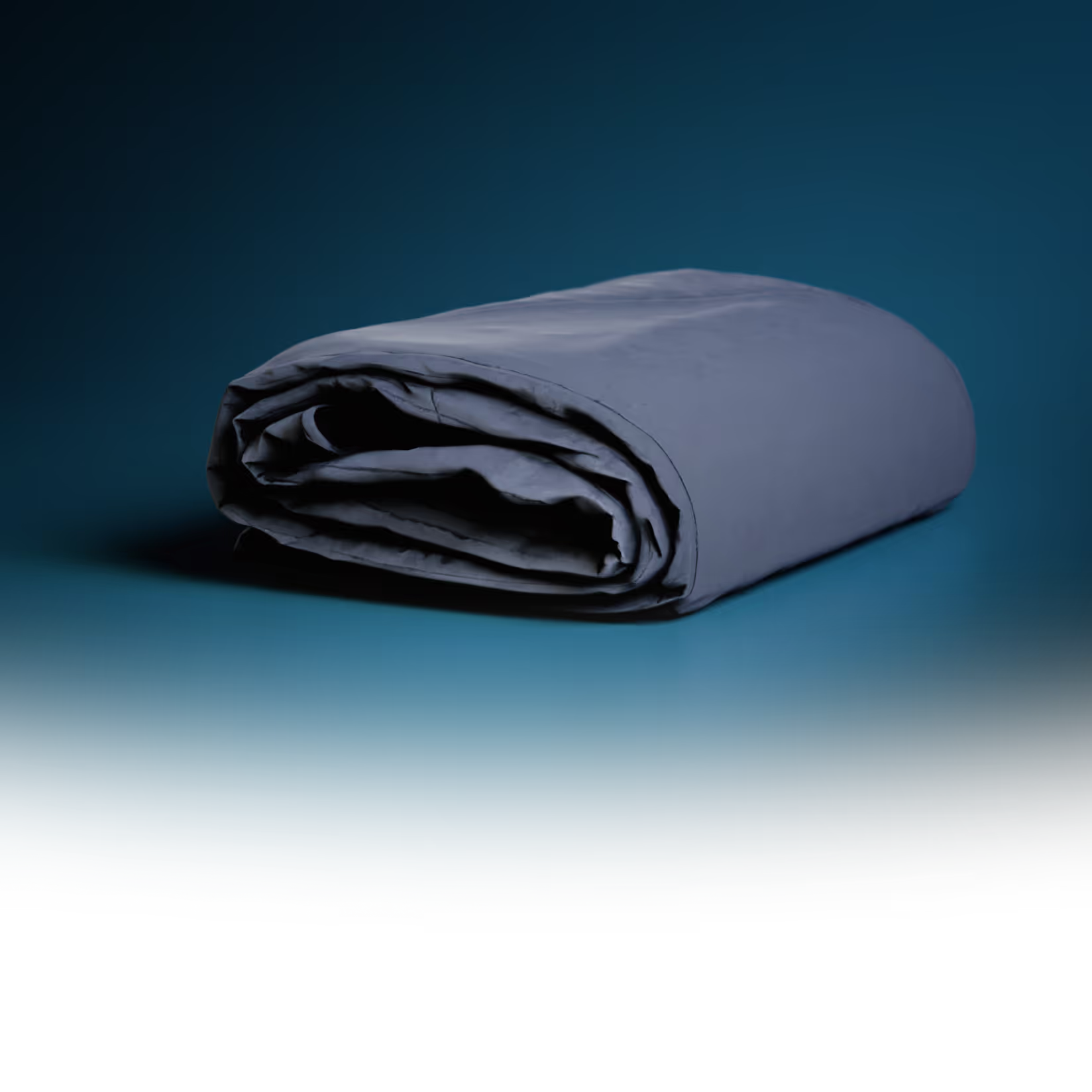
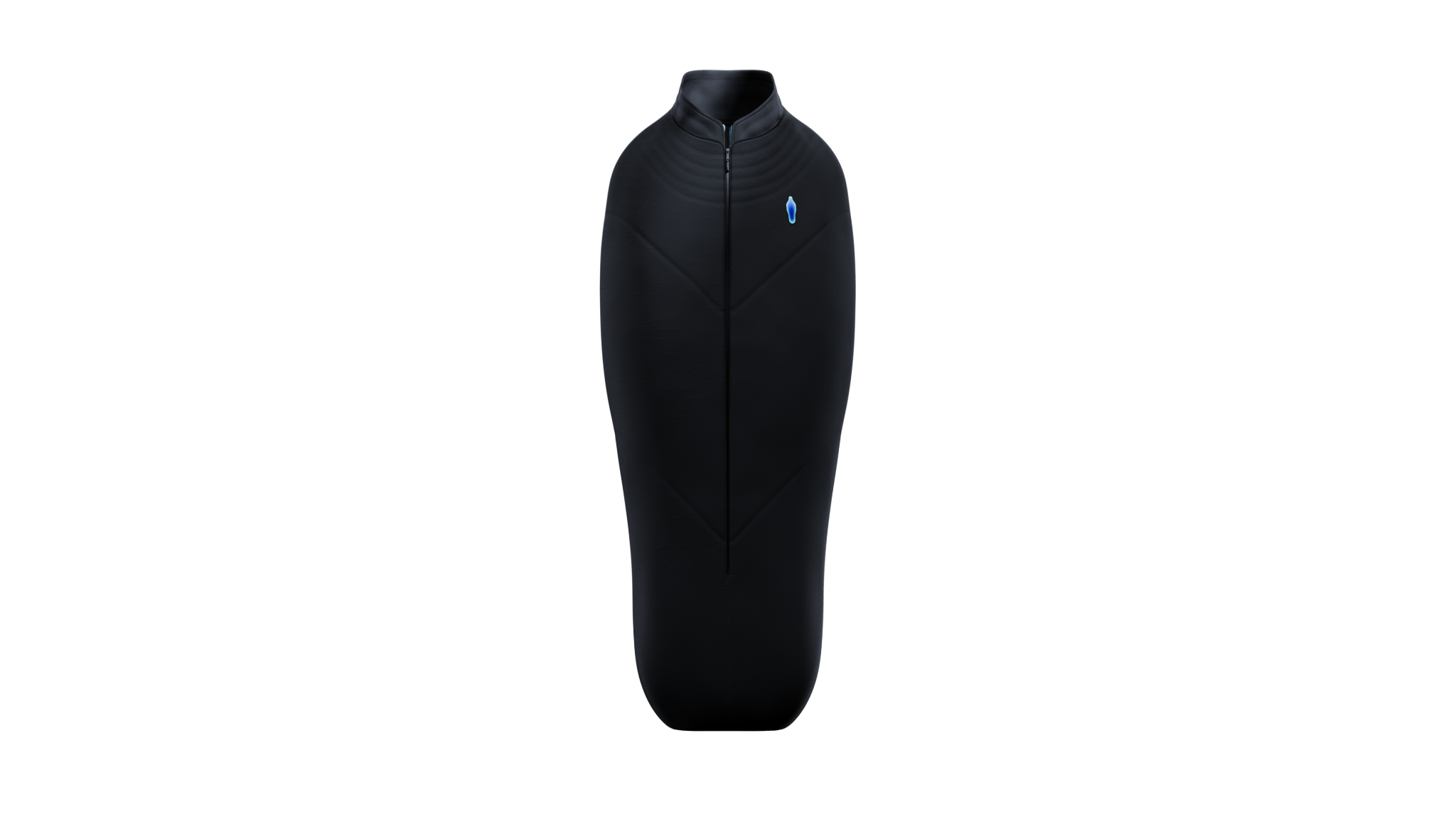
Full-body coverage. Minimal footprint.
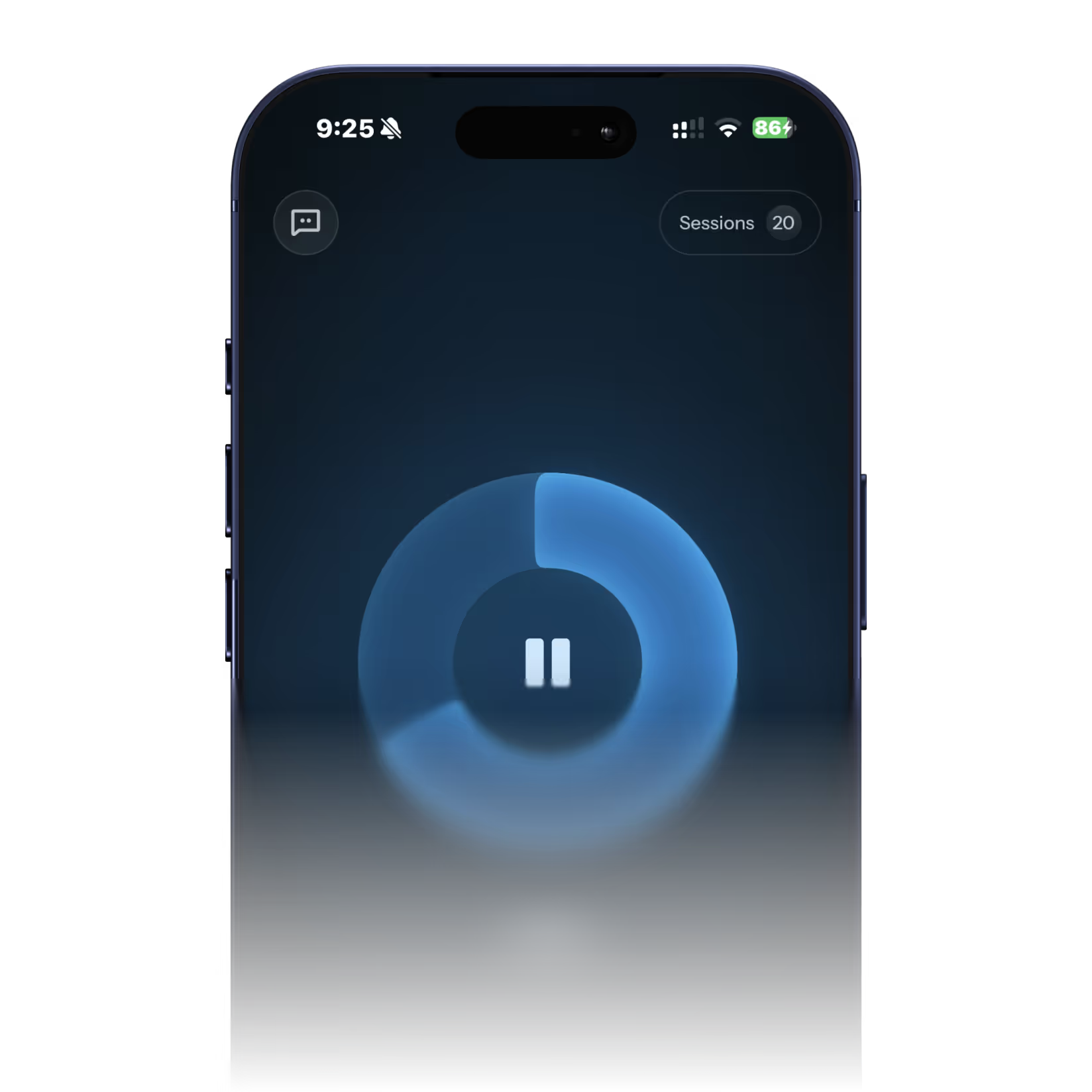
NFC tap-to-app. 9-min audio.
1000 serialized units. Production underway.
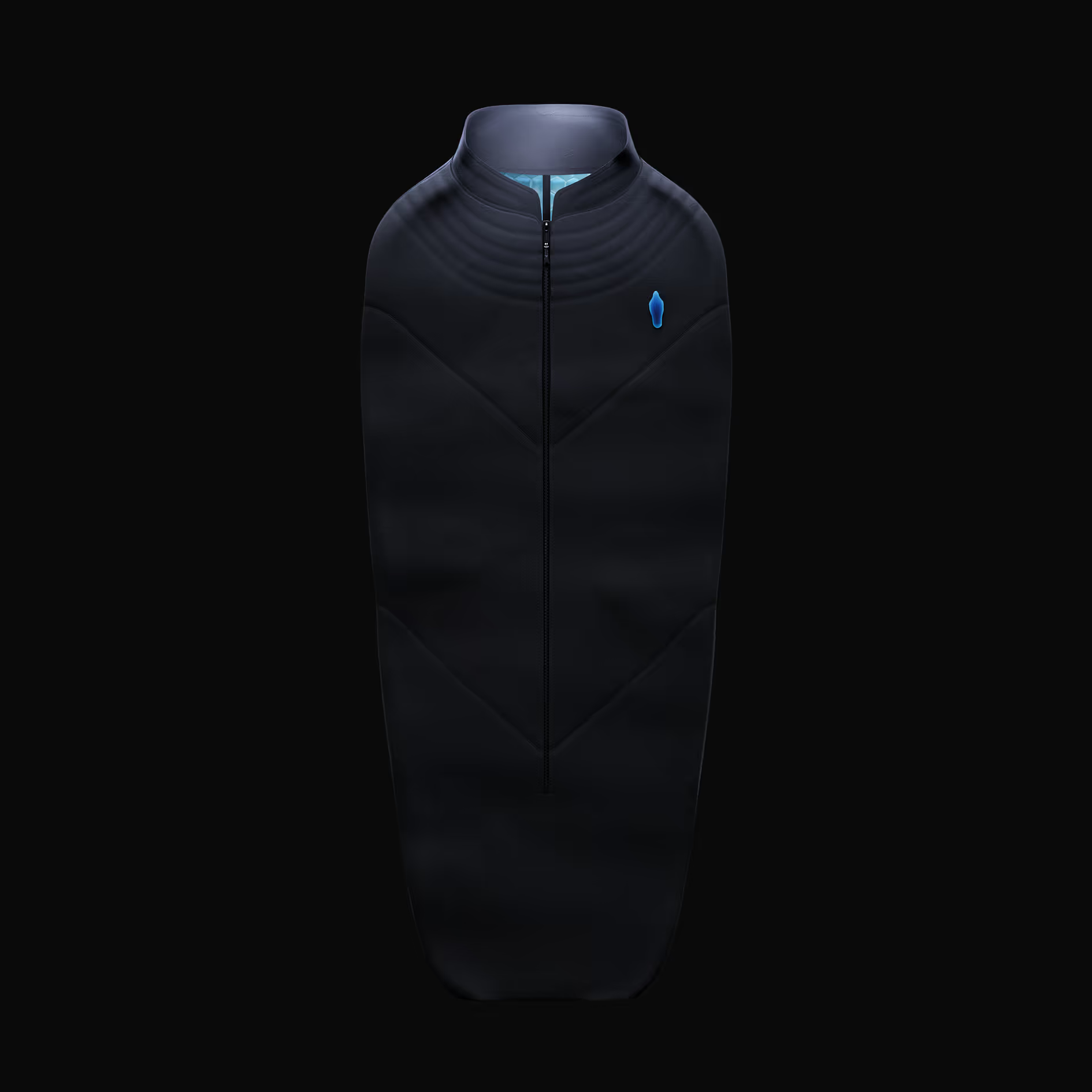


The shift. Delivered.
(a) Product specifications: The Ice Sack™ uses a PCM based dry cold containment system with a hex grid cold core, nylon outer shell, double sided zipper for ease of use, NFC enabled chest logo, and guided 9 minute, 3 phase Neuropause™ audio protocol. It is rated for 18 plus minutes of cold hold at room temperature under defined test conditions. Approximate packed dimensions are 15 × 10 × 5.5 in. Approximate total weight is 9.5 lb. Limit: These specifications describe design, materials, protocol format, and intended use conditions only. They do not prove physiological, recovery, cognitive, mood, inflammatory, performance, or therapeutic benefits. Discussion: Cold water immersion research is related context, not direct product evidence. The Ice Sack uses dry cold containment, not water immersion.
1 Evidence: Šrámek et al., 2000 reported a large norepinephrine increase during cold-water immersion. Source: https://pubmed.ncbi.nlm.nih.gov/10751106/ Limit: Supports an acute physiological response. Not proof of improved cognitive performance. Discussion: Dr. Andrew Huberman is context only, not product evidence. Source: https://www.hubermanlab.com/episode/using-deliberate-cold-exposure-for-health-and-performance
2 Evidence: Šrámek et al., 2000 reported increased dopamine during cold-water immersion. Source: https://pubmed.ncbi.nlm.nih.gov/10751106/ Limit: Supports an acute physiological response. Not proof of improved motivation, drive, mood, depression, or productivity.
3 Evidence: Tipton et al., 1998 found that repeated cold-water immersion reduced initial cold-shock responses, including respiratory and cardiovascular reactions. Source: https://pubmed.ncbi.nlm.nih.gov/9763650/ Limit: Supports cold-stress habituation. Not anxiety, mood, or chronic stress treatment. Discussion: Wim Hof × Dr. Rhonda Patrick is context only, not product evidence. Source: https://www.foundmyfitness.com/episodes/wim-hof
4 Evidence: Jungmann et al., 2018 found that cold stimulation was associated with increased cardiac vagal activation in healthy participants. Source: https://pubmed.ncbi.nlm.nih.gov/30684416/ Limit: Supports short-term autonomic marker changes. Not proof of nervous-system regulation, stress relief, relaxation, HRV improvement, or vagus nerve treatment.
5 Evidence: Kox et al., 2014 found that a trained intervention involving cold exposure and breathing altered inflammatory cytokine responses during an experimental immune challenge. Source: https://pubmed.ncbi.nlm.nih.gov/24799686/ Limit: Supports immune response modulation under trained, controlled conditions. Not proof of reduced inflammation, improved immunity, sickness prevention, or treatment of inflammatory conditions.
6 Evidence: Ouellet et al., 2012 found that brown adipose tissue oxidative metabolism contributes to increased energy expenditure during acute cold exposure. Source: https://pubmed.ncbi.nlm.nih.gov/22269323/ Limit: Supports acute thermogenesis under controlled cold exposure. Not proof of fat loss, weight loss, metabolic health improvement, or obesity treatment.